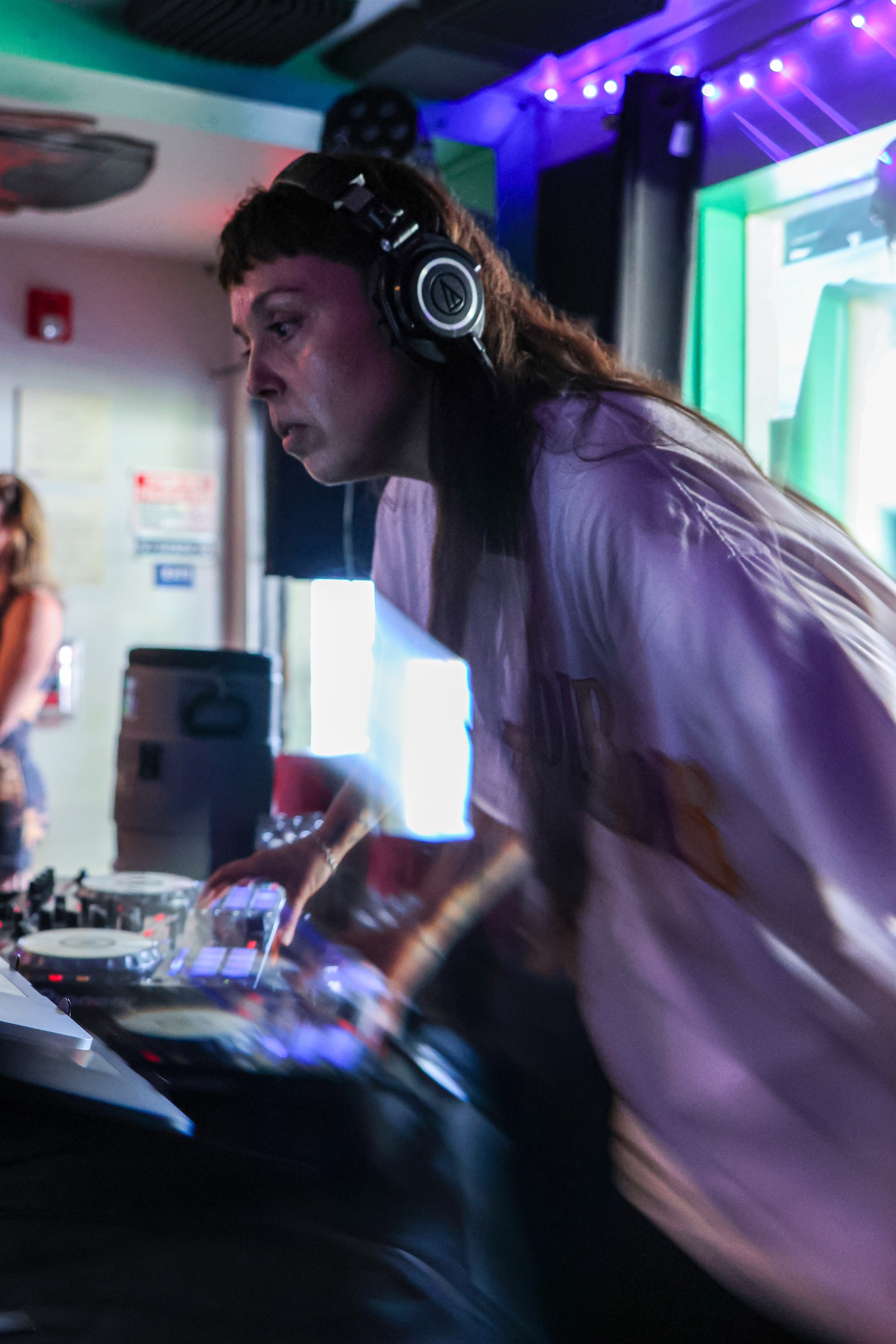
“I’ve tried to do things that I don’t care about, and it just doesn’t work out,” explained Terra Lopez of the indie electronic/pop/R&B duo Rituals of Mine, formerly known as Sister Crayon.
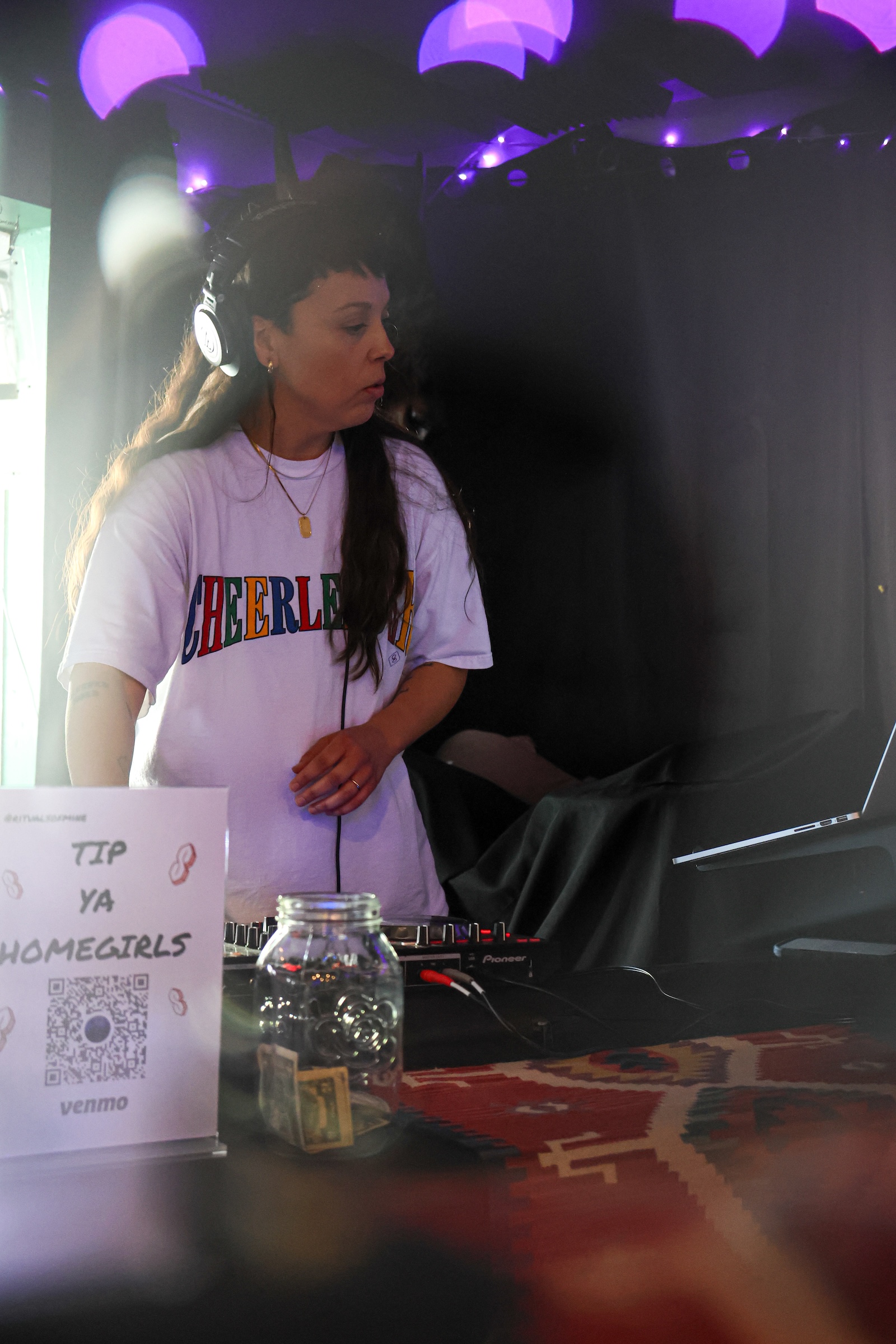
Sitting in front of the Old Soul Co. coffee shop across from the place she lived earlier in her near 20-year run playing makeshift gigs in the alley, Lopez explained the necessity of her day job. She is currently the executive director of RAMPD, a New York-based organization that aims to equip the music industry with the tools, training and programming needed to ensure it’s a welcoming place for fans, artists and staff with disabilities, neurodivergence, and other conditions.
“Going to a venue, maybe they have a wheelchair ramp, but if the staff isn’t stoked on having you there? For us, it’s more about, how we create an accommodating, hospitable environment for everyone,” she said. “It’s working with music industry entities and getting them to realize that every single one of us either has a disability or will during our lifetime. So, if that’s the case, then let’s create an industry where everyone can participate and thrive and contribute.”
Prior, Lopez worked as head of marketing and director of artist partnerships for Backline, an organization that provides free mental health and wellness resources to anyone in the industry — artists and their families and team, venue staff and security.
Community, as a safety net, fails when it doesn’t help to uplift those in the margins, and that’s what Lopez aims to accomplish because the community is what has grounded her.
“I don’t think I would even be doing music without community — they’re so intertwined for me. Especially being a part of the queer community, chosen family is a whole other element. I just think the meaning of it all is connecting with people and trying to just figure out this life together,” she said. “And growing up in Sacramento, a city that I feel has always kind of been under the radar when it comes to music specifically, allowed me to have space and to figure out my voice through playing house shows, playing sidewalk shows — I mean, literally on this sidewalk — playing in art galleries. I’ve always felt so supported, which is always helpful in continuing to do this because it’s so hard.”
Even as an artist that’s been signed to a major label and played shows alongside some of the city’s stalwarts like Death Grips or Chelsea Wolf and shared rehearsal space with Deftones, making a living in creative spaces is simply not tenable; in part because the city doesn’t provide the level of support needed for one to do so.
Sacramento’s Office of Arts and Culture has commissioned local artists to create community-based murals, and the Warehouse Artist Lofts — a mixed-use, mixed-income community for artists located in Downtown — exist to provide housing and commercial space for musicians, visual artists and others. It’s a step in the right direction, but the work isn’t done, Lopez said.
“I think on a larger level, providing affordable housing is something everyone could benefit from,” she said. “There are other cities that are rolling out pilot programs for things like base income for creatives. I think that’s great. I actually was just on a call with the city of Dallas where they have free healthcare for creatives throughout the entire city. I think there are a lot of things that we could be doing as a city that would only help creative folks, from simple things to taking on much larger systemic issues.”
Allowing artists to get out in front of people is also crucial.
“In LA, you can gig every single night if you wanted to. And in New York, you’re absolutely having to do that. In Sacramento, we don’t have as many avenues to be able to do that,” she continued. “So, I think we need to be a bit more lenient on what constitutes a venue. We need more venues in the city. We need the city to be kinder to folks who want to do that hard work of running a venue.”
After returning to Sacramento about five years ago following stints in Los Angeles and the Bay Area, Lopez said she struggled to find her footing again. Since teaming up with LabRats — a dynamic jazz/hip-hop fusion band that hosts Sunday Sessions each week at Torch Club wherein local musicians, vocalists and rappers spanning age, race and identity come together to jam in what’s become a simultaneously seamless yet loose format — her passion has been reignited.
Already having dropped a new EP in April, she’s gearing up for the release of a new album in October that reimagines songs from Rituals of Mine’s catalog through the LabRats’ lens.
“There’s something about Sacramento folks who really support art. The city might not, but the people do. And if you’re doing something that they believe in, they’ll ride with you the whole way,” Lopez said.